
If you are interested in cooperation and ready to invest your resources into developing AI in Russia, contact us at
info@a-ai.ru
Established in 2019, the AI Alliance serves as the primary driving force behind AI advancement in Russia. Our mission is to bring together AI enterprises, fostering collaboration and concentrating efforts on the widespread adoption of AI across various industries. Through our initiatives, we aim to promote education and facilitate the practical application of AI technologies in business development and research.
Under the auspices of the AI International Alliance, a comprehensive research project was launched to map the future of artificial intelligence. The initiative involved 21 foresight sessions and 32 in-depth interviews with industry experts.
In total, the project brought together 270+ renowned AI researchers from 36 countries. The resulting report, which explores 10 cutting-edge directions in AI development, is now available for review.




























To be the center of development of artificial intelligence in Russia and to provide technological leadership for Russia and corporate members of the Alliance in the field of artificial intelligence.
We acknowledge that development of AI in Russia will require the combined efforts of companies with the most experience in this sphere.
The Alliance companies account for 7% of the country’s DS/AI specialist hires, with a total staff of 75,000 IT professionals. Our educational projects aim to make a qualitative impact on personnel training by creating a modern AI People profession, cultivating new teachers, and introducing innovative educational approaches
The Alliance actively promotes various initiatives in alignment with the legislation pertaining to personal data, advocates for the development of regulatory frameworks for artificial intelligence, emphasizes the importance of ethical considerations in AI applications, and actively contributes to the technical standardization of AI
Our primary objective is to foster the dissemination of accurate and trustworthy information, facilitating the exchange of expertise among specialists. We aim to establish a robust platform that encourages collaboration among organizations, researchers, and companies operating in the field of artificial intelligence
The Alliance endorses initiatives aimed at facilitating the widespread adoption of AI technology in various industries. This is accomplished by leveraging the collective expertise of its members, who are actively engaged in developing their own or utilizing third-party AI solutions
The Alliance nurtures young talent and drives the advancement of artificial intelligence in school education. We provide accessible opportunities for students to explore AI through open lessons, simulators, and popular science content. Additionally, we support competitions, Olympiads, and supplementary educational programs to unlock pupils’ potential

Economic benefits of using AI:
Automation of business processes increases productivity.
Expanding human brain power with AI enhances employee resources.
AI development generates its own processes and relationships, which in turn creates new jobs.
Affordable, personalized, AI-equipped products and services are driving demand as personalization and better quality allow them to attract more users and improve their lives.
Companies that go beyond using AI to actively developing it are more attractive for Russian and international investors.
These factors help companies grow their share in the current market, break into new (including international) markets, and surge ahead to become leaders in their field.
AI Alliance Russia has collected a library of use cases as examples of success in terms of technologies and benefits to various industries. These solutions demonstrate how a single technology can be used to create different services, and how companies in specific industries can benefit from the use of AI.

We can advise you on how to use AI to improve business performance with a focus on industries, tasks, and technologies.
We can share market experience — what products are available, where they are in demand, and the results of their application.

We spread the word about the successes and technological leadership of these companies.

We promote their products and highlight the role of the team in their successes and opportunities.
The Alliance Solution Library will contain cases that have passed multi-stage verification.
The Library Case is a quality mark, mature technology and proven effect for business.
An expert jury of members of the Alliance and other leading AI companies select the most effective solutions and award their authors with a prize.
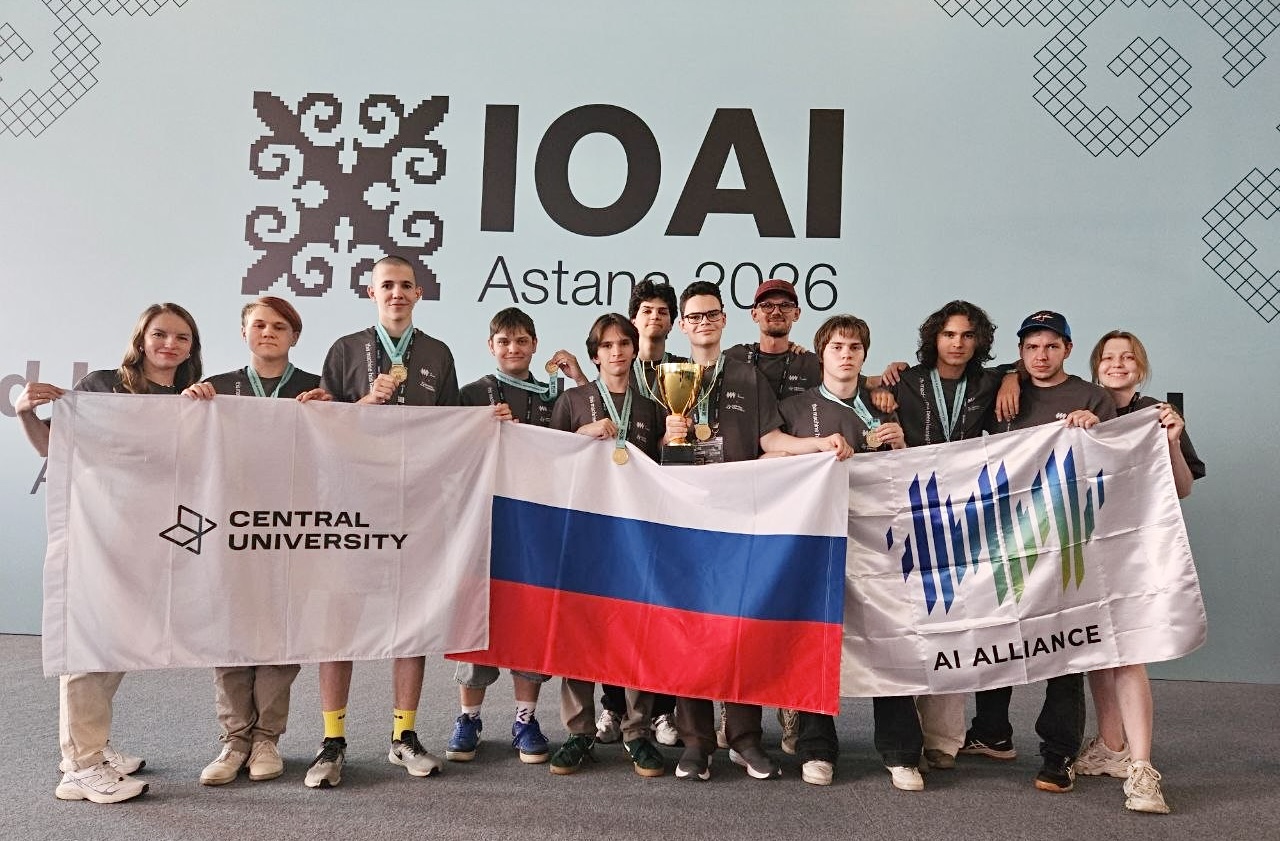
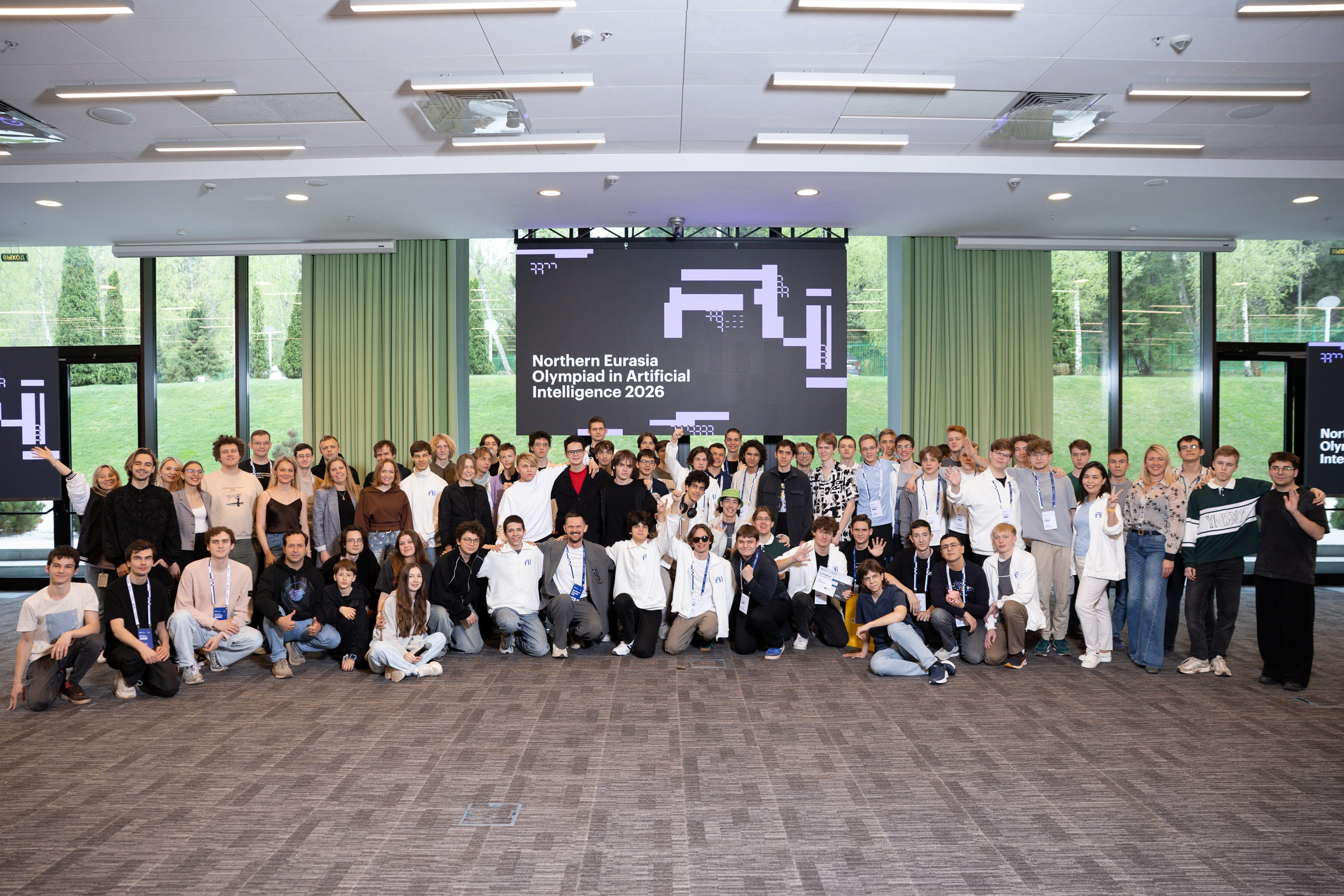
This is the third time the Olympiad has been held, and the Russian national team has won the championship every year. As is tradition, the team was prepared by experts from the Artificial Intelligence (AI) Alliance and Central University.
The tone of the meeting was set by the assertion that the impact of AI is already measurable and significant. According to industry estimates, companies that systematically implement AI are seeing exponential revenue growth and cost savings of up to 40%. Based on public data and company reports, the annual impact of AI at Sber is estimated at 475 billion rubles, while for a number of other large companies, it ranges from a few billion to tens of billions of rubles per year
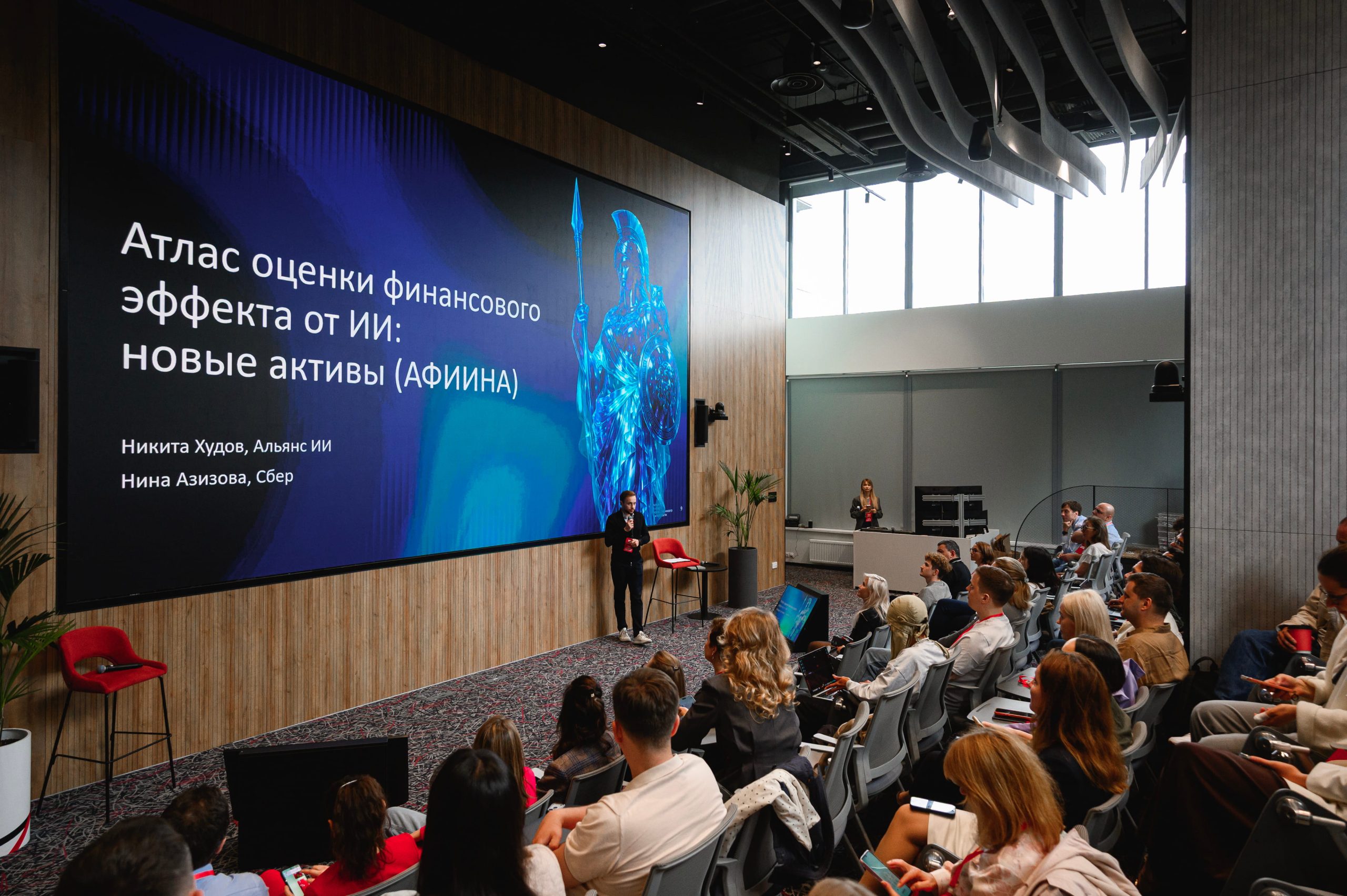
The conference consisted of two thematic sessions. The first was dedicated to artificial intelligence as a driver of scientific research. Experts discussed how the development of AI, industry demands, and academic expertise are shaping a new model of scientific research capable of accelerating technological breakthroughs and the adoption of innovations in the economy. Participants examined practical case studies of AI applications in research and mechanisms for collaboration between universities and industry partners.
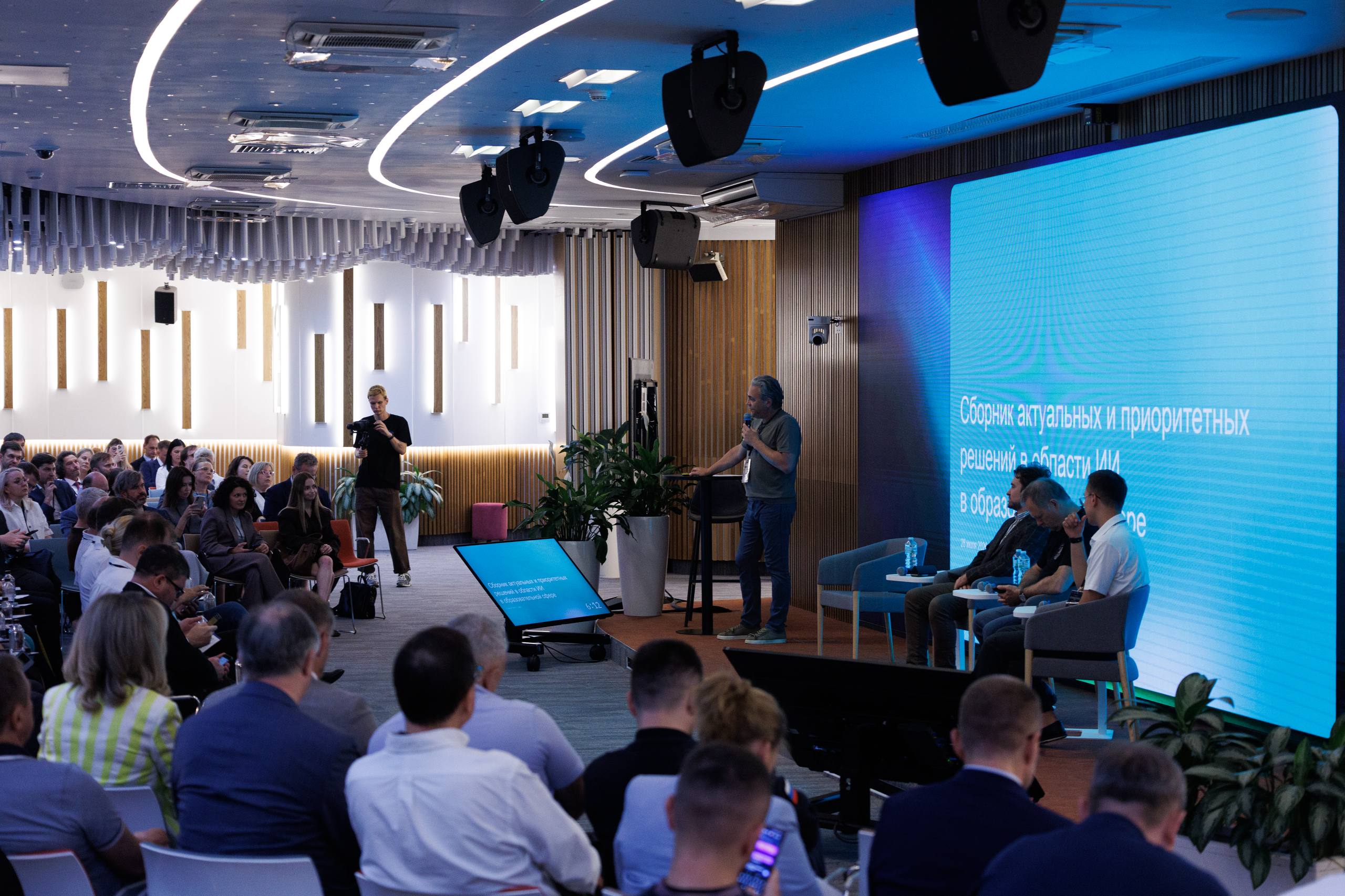
The first area is education: the parties are developing joint dual-degree programs to train AI engineers. The second is regulation: they are aligning their approaches to standards for accountability and security of artificial intelligence systems. The third area is technological development in the fields of cybersecurity and smart cities, where combining the two countries’ expertise can create synergies.
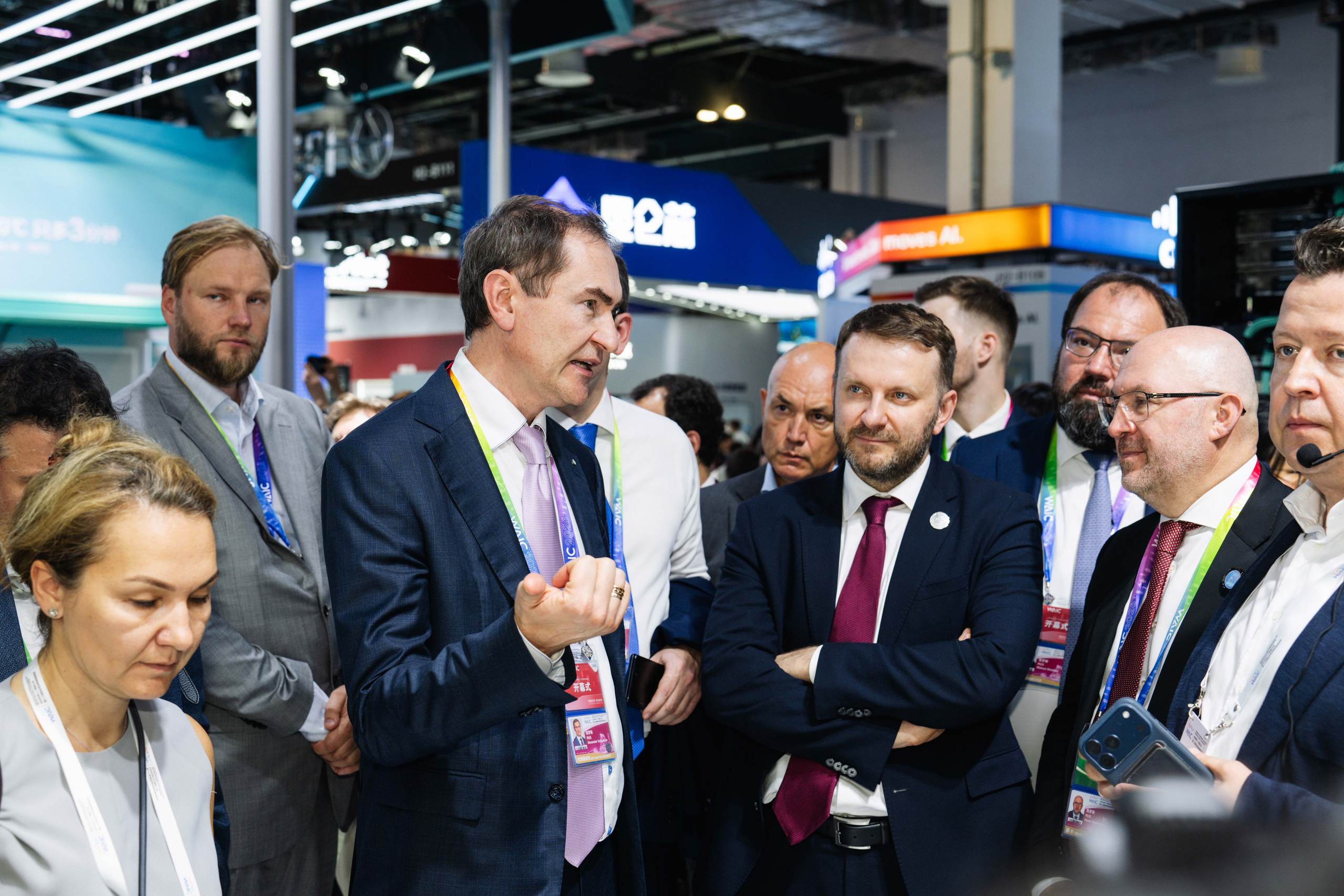
Commenting on the exhibition’s content in an interview with the Chinese media outlet GeekPark, Alexander Vedyakhin, First Deputy Chairman of Sberbank’s Management Board, noted that today’s agent is a digital executor.
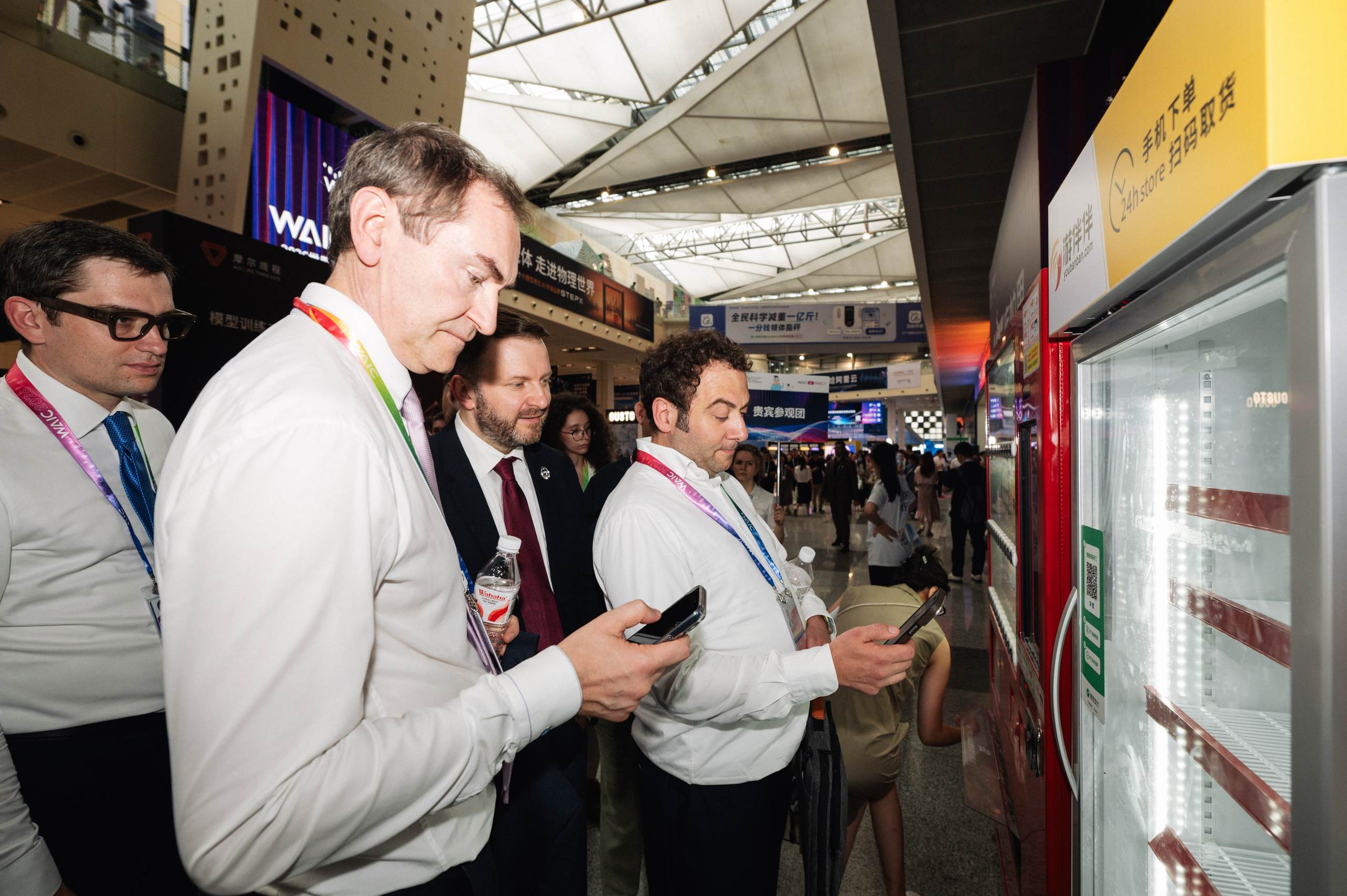
As part of the World Artificial Intelligence Conference (WAIC) 2026, Sberbank’s First Deputy Chairman of the Management Board, and Chairman of the AI Alliance’s Supervisory Board, Alexander Vedyakhin, gave an interview to the Chinese tech publication NetEase Tech, in which he discussed key Russian developments presented at the forum, the prospects for the agent economy, and the role of open-source models.
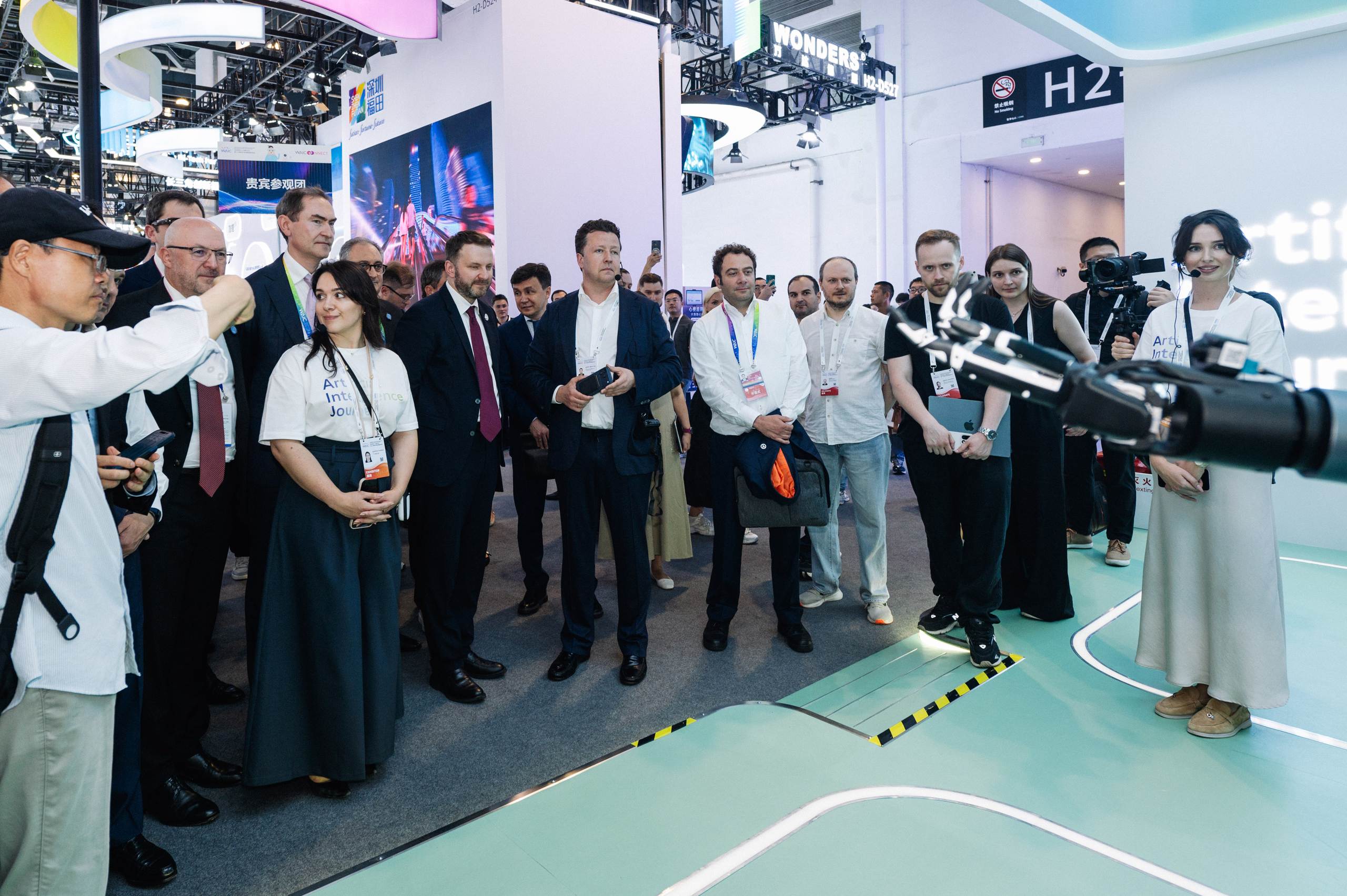
Alexander Vedyakhin, First Deputy Chairman of the Management Board of Sberbank and Chairman of the Supervisory Board of the AI Alliance, shared this view in an interview with the Chinese publication Sina Finance during the World Artificial Intelligence Conference (WAIC) 2026. He spoke about the Alliance’s key role in the adoption of artificial intelligence in Russia, as well as the business community’s involvement in shaping national legislation in this area.
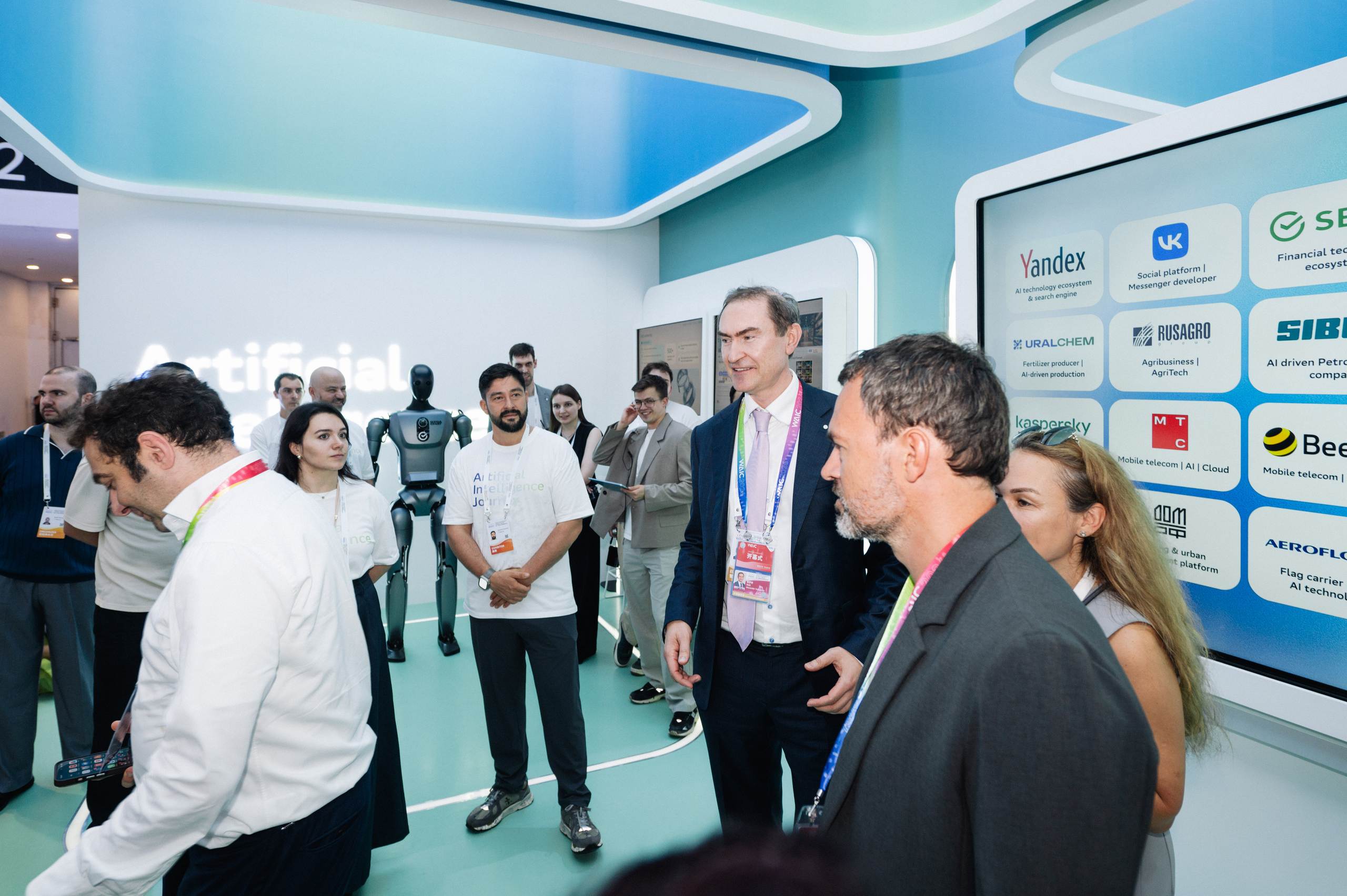
As evidence of the maturity of the Russian ecosystem, the expert highlighted the open-source projects of Alliance members: Yandex has published over a thousand open-source projects, 52 of which are in the field of machine learning and AI, including the YandexGPT 5 Lite models; “T-Technologies” (T-Bank) is developing the open-source Russian-language models T-Lite and T-Pro, with 7 billion and 32 billion parameters, respectively.
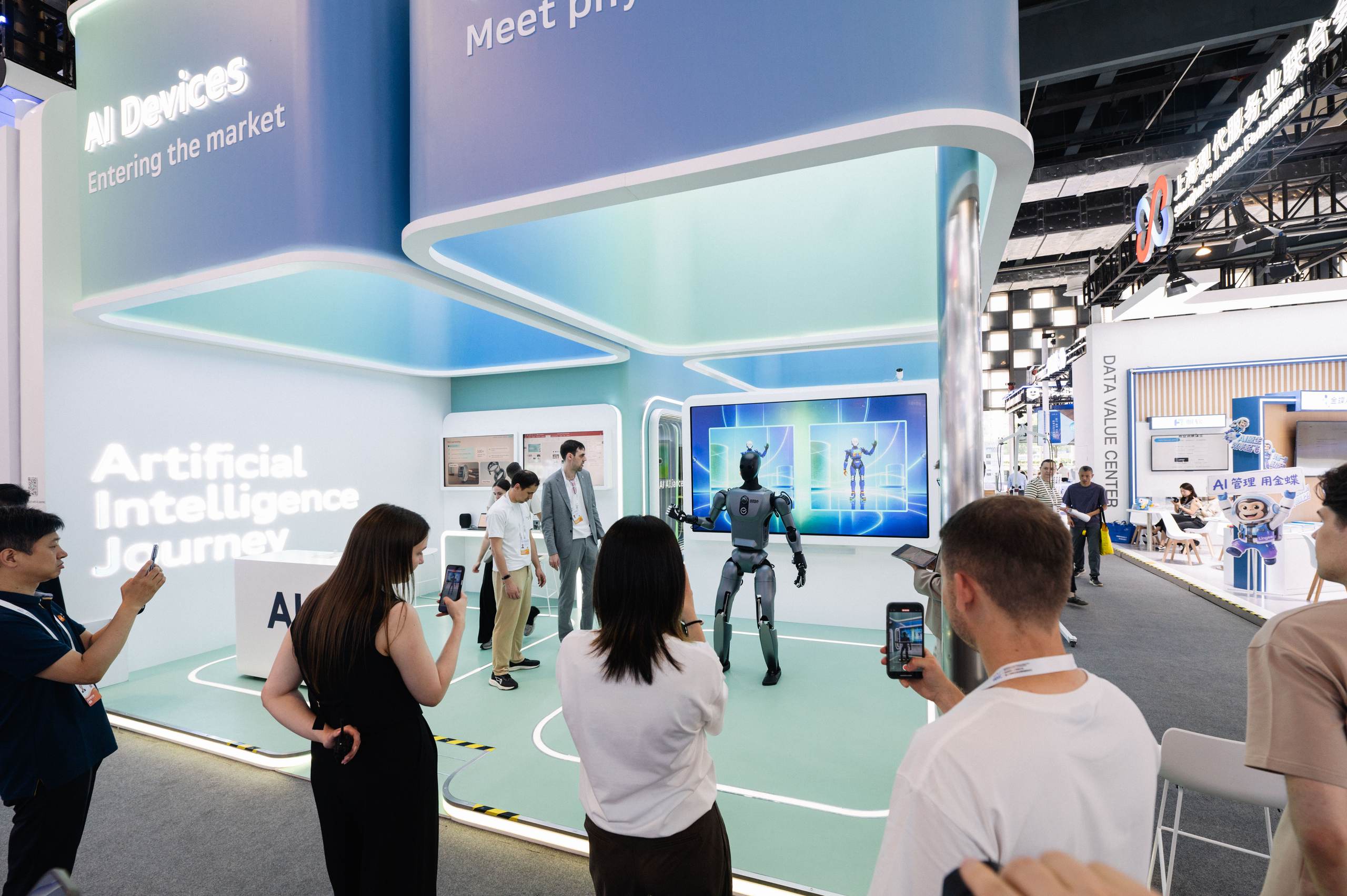
The key highlight of the Russian exhibition was the flagship language model GigaChat 3.5 Ultra, based on a hybrid architecture with linear attention. The new product, presented at the AI Journey booth, is 40% more compact than the previous version, half as heavy, and generates long texts four times faster, demonstrating significant improvements in coding, mathematics, and agent-based scenarios.
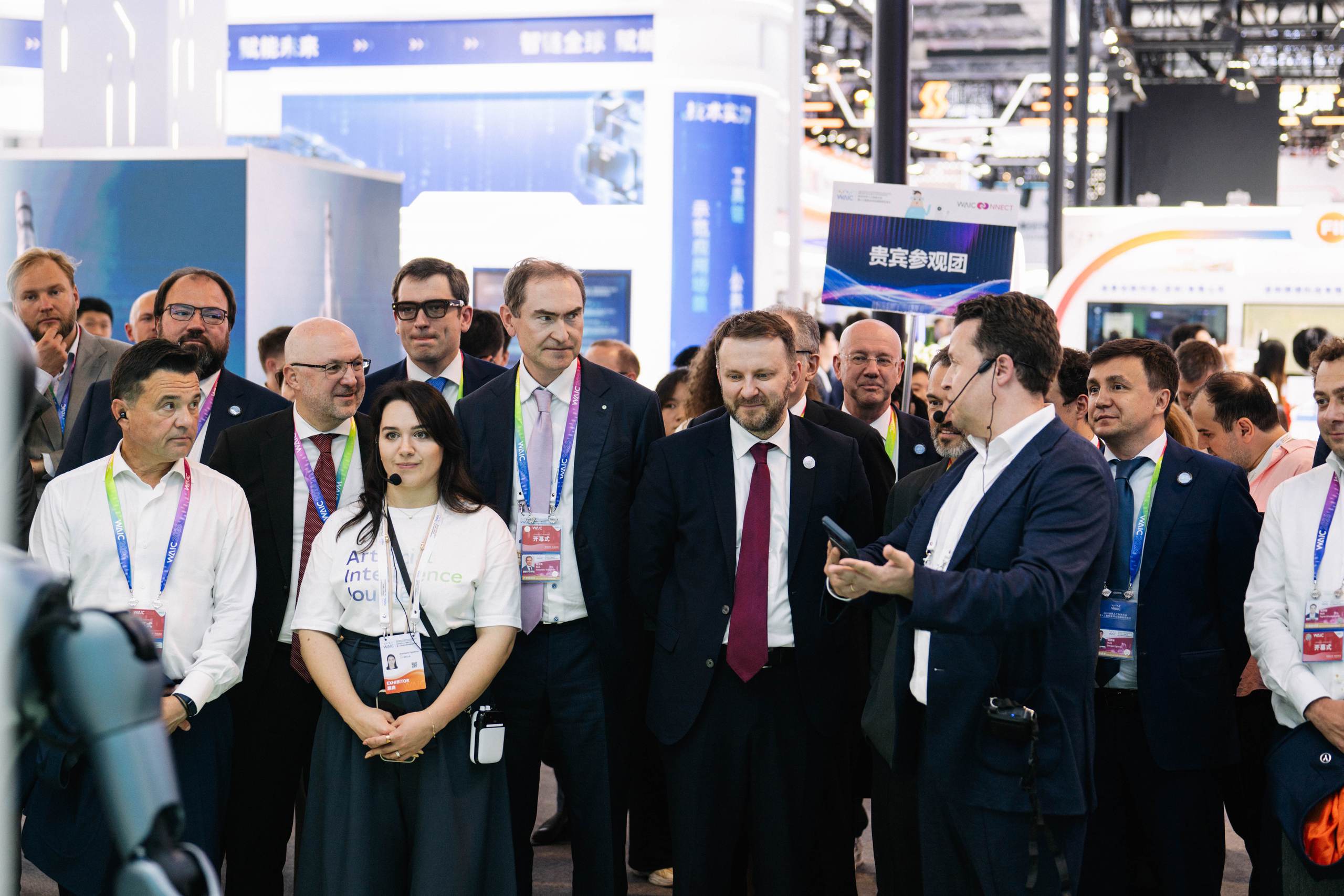
It is the members of the AI Alliance who are currently forming the main foundation of Russia’s sovereign artificial intelligence, uniting the efforts of market leaders to create independent, competitive solutions.
More than half of the submitted applications are in creative fields (54%), with the remainder in technology projects (46%). The highest level of activity is seen in the digital and interactive industries, as well as in the fields of visual imagery, text, and meaning. Applications are coming in across all key tracks of the program—from music and audiovisual to spatial and performing arts
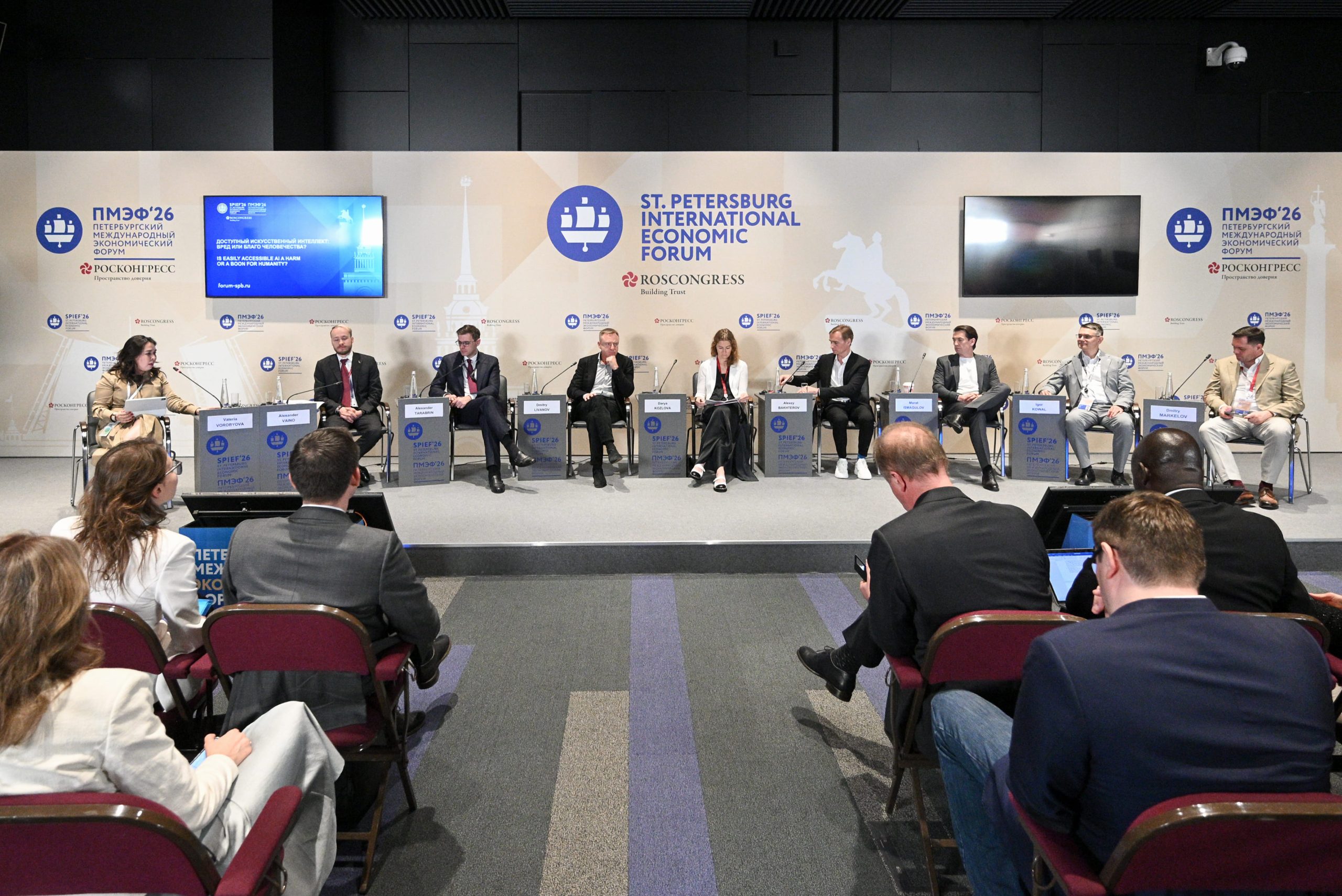
Participants in the discussion included Alexander Vaino, Director of the “Young Professionals” division at ASI; Alexander Tarabrin, Head of the Prosveshchenie Publishing House; Dmitry Livanov, Rector of the Moscow Institute of Physics and Technology (MIPT); Daria Kozlova, Director of Education at Yandex; Marat Ismagulov, HR Director and Deputy Chairman of the Management Board at Alfa-Bank; Alexey Bakhterov, President of Media Instinct Group; Igor Koval, Director of the Education Department at RVB; and Dmitry Markelov, Director of Government Relations and Corporate Governance at Headhunter
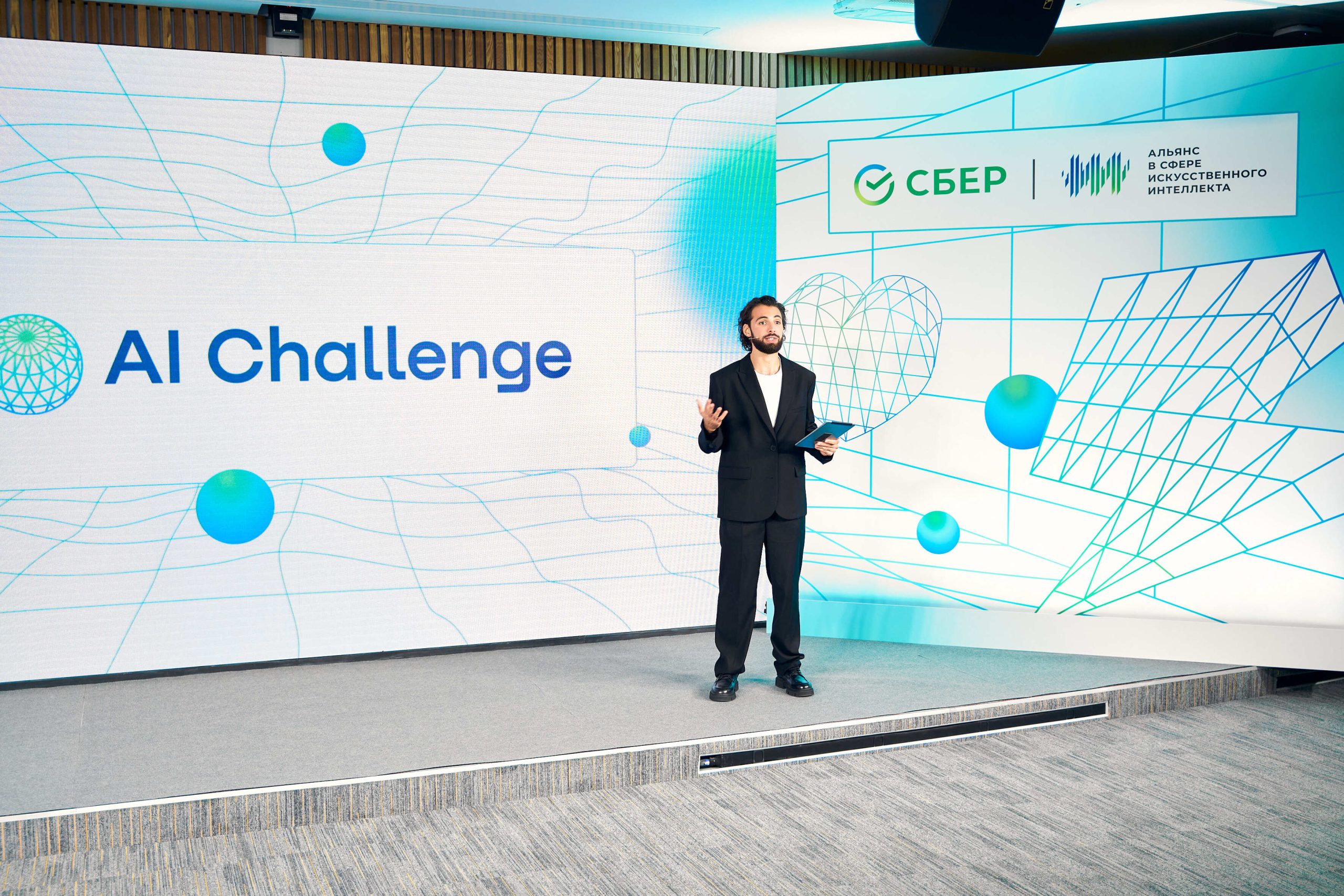
To mark Children’s Day, the annual international AI Challenge competition for children and youth has kicked off. It will help young people from Russia and other countries immerse themselves in the world of artificial intelligence and hone their skills by tackling real-world challenges in the tech industry. The competition will be of interest to both beginners and those who are already well-versed in AI. Registration is open until September 15, 2026
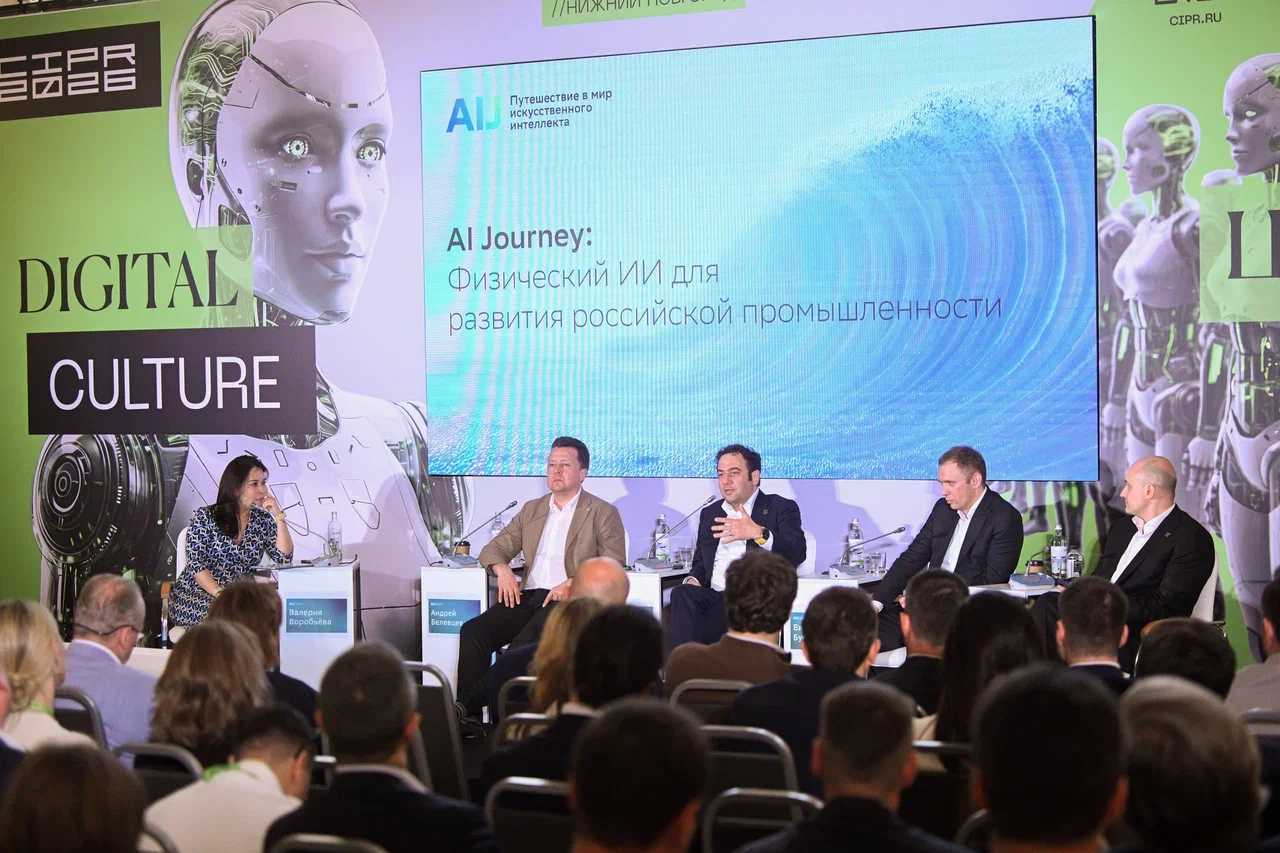
Representatives from the government, technology companies, and the industrial sector discussed strategies for developing physical AI, barriers to its implementation, and the prospects for creating a new market in Russia.
The training camp program was intensive: over the course of 140 hours of continuous work, the teams solved 12 extremely difficult problems, spent more than 30 hours in competition rounds, and attended 13 lectures by leading experts from Central University, T-Bank, Sberbank, VK, Kaspersky Lab, Rostelecom, and Lomonosov Moscow State University
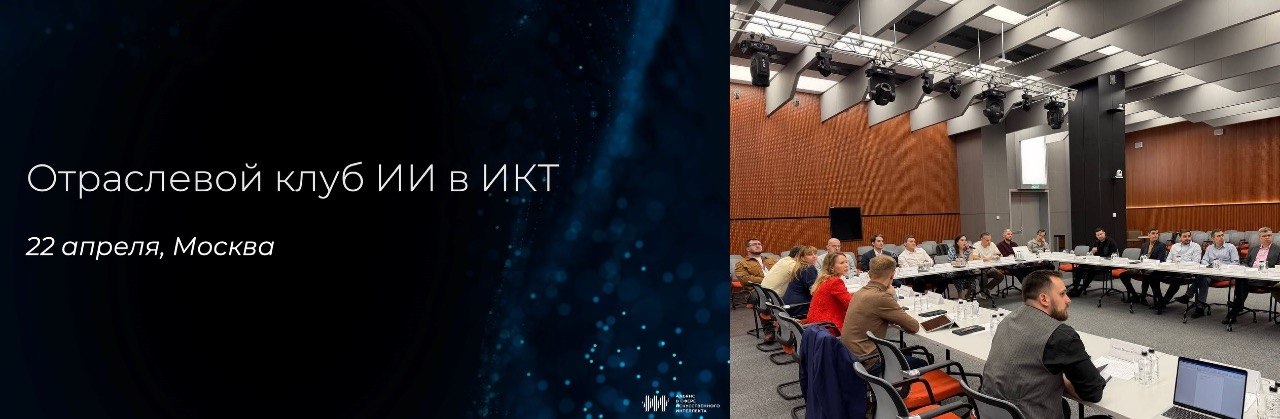
The meeting was opened by Daryi Khalitov, Deputy President and Chairman of the Management Board of Rostelecom: “Artificial intelligence is now becoming one of the key drivers enabling companies in the industry to restructure internal and external processes carried out in the interests of customers, so that the services provided ultimately become more accessible and reliable. In this context, the industry club serves as an effective platform for industry companies and vendors to overcome emerging barriers and promote business development through AI.”
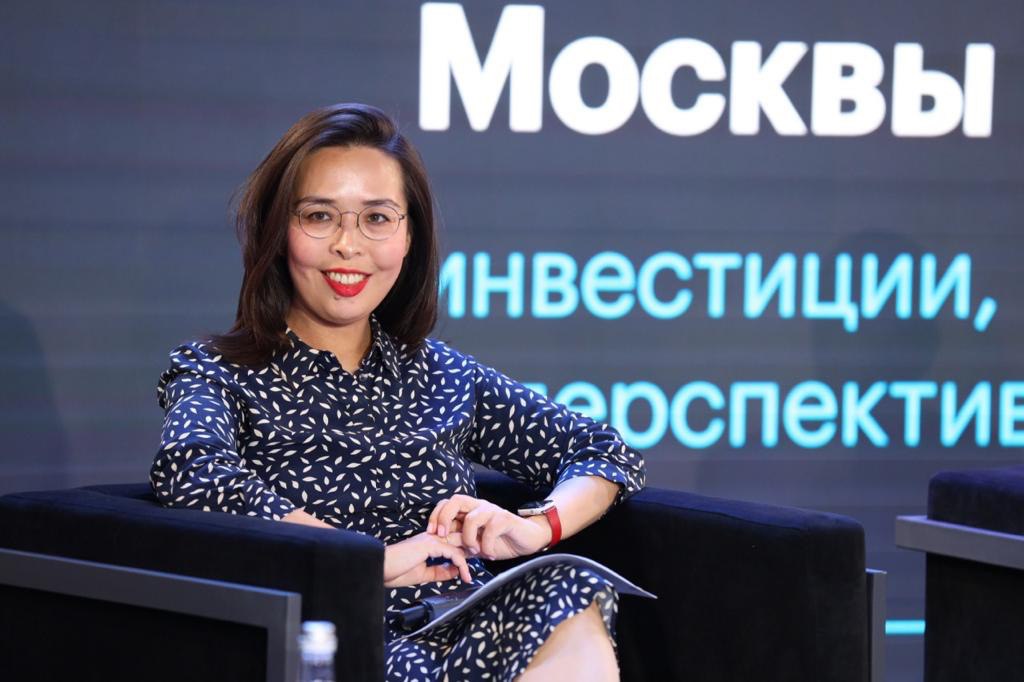
Valeria Vorobyova, CEO of the AI Alliance, spoke about cross-industry practices that have already proven effective in other sectors of the economy and can be applied to the banking sector. These include: AI-driven business process reengineering, real-time data-driven management, and a platform-based approach to developing AI infrastructure
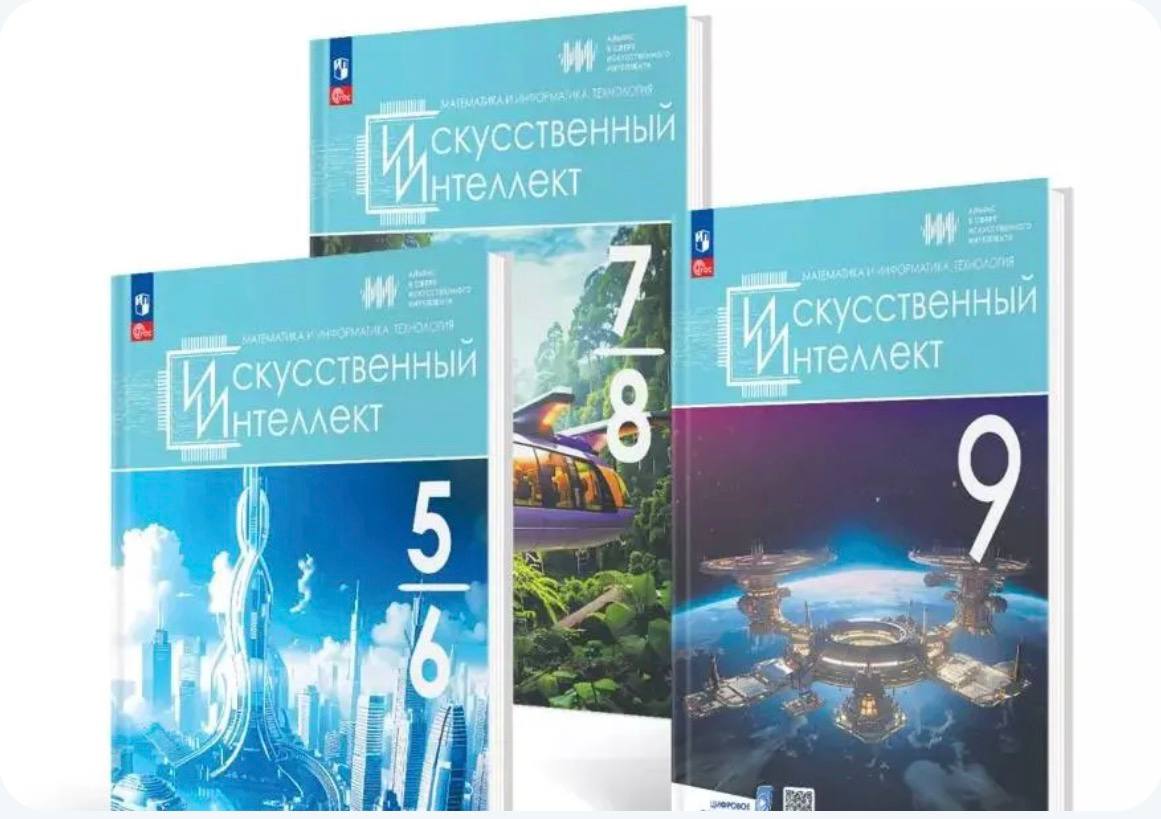
The Russian Ministry of Education, by Order No. 973, has included the first comprehensive school course on artificial intelligence in the federal list of textbooks. The “Introduction to Artificial Intelligence” textbooks for grades 5–6, 7–8, and 9 were developed by companies in the AI Alliance and the Prosveshchenie publishing house. Starting this year, Russian schools will have access to a modern tool for systematically teaching students these innovative technologie
Andrey Belevtsev, Senior Vice President and Head of the Technology Development Division at Sberbank: The achievements of 2025 are the result of many years of research by a strong scientific community and the coordinated efforts of our team. The collaboration between our scientists and engineers and external partners has led to the publication of 440 scientific papers, about 50% of which have appeared in prestigious international journals—a figure that continues to grow every year. This undoubtedly demonstrates our technological potential

The Certificate of Honor from the President of the Russian Federation is a form of state recognition for significant contributions to the development of economic sectors, public administration, and civic activities, as well as for a high level of professionalism and a responsible attitude toward service

They discussed prospects for collaboration on creating an industry-specific database for the agro-industrial complex, as well as methodological approaches to standardization, quality, and maintenance of industry data. It was specifically emphasized that the availability of high-quality and representative datasets is what determines the effectiveness of future artificial intelligence models
The AI Journey international conference (“A Journey into the World of Artificial Intelligence”) hosted the awards ceremony for the winners of the AI Challenge, an international artificial intelligence competition for children and young people. The competition was organized by Sber and co-organized by the Artificial Intelligence Alliance. The winners included 12 teams in the “High School Students” and “College Students” categories, as well as 18 participants in the individual tracks “Beginners,” “High School Students,” and “College Students.”
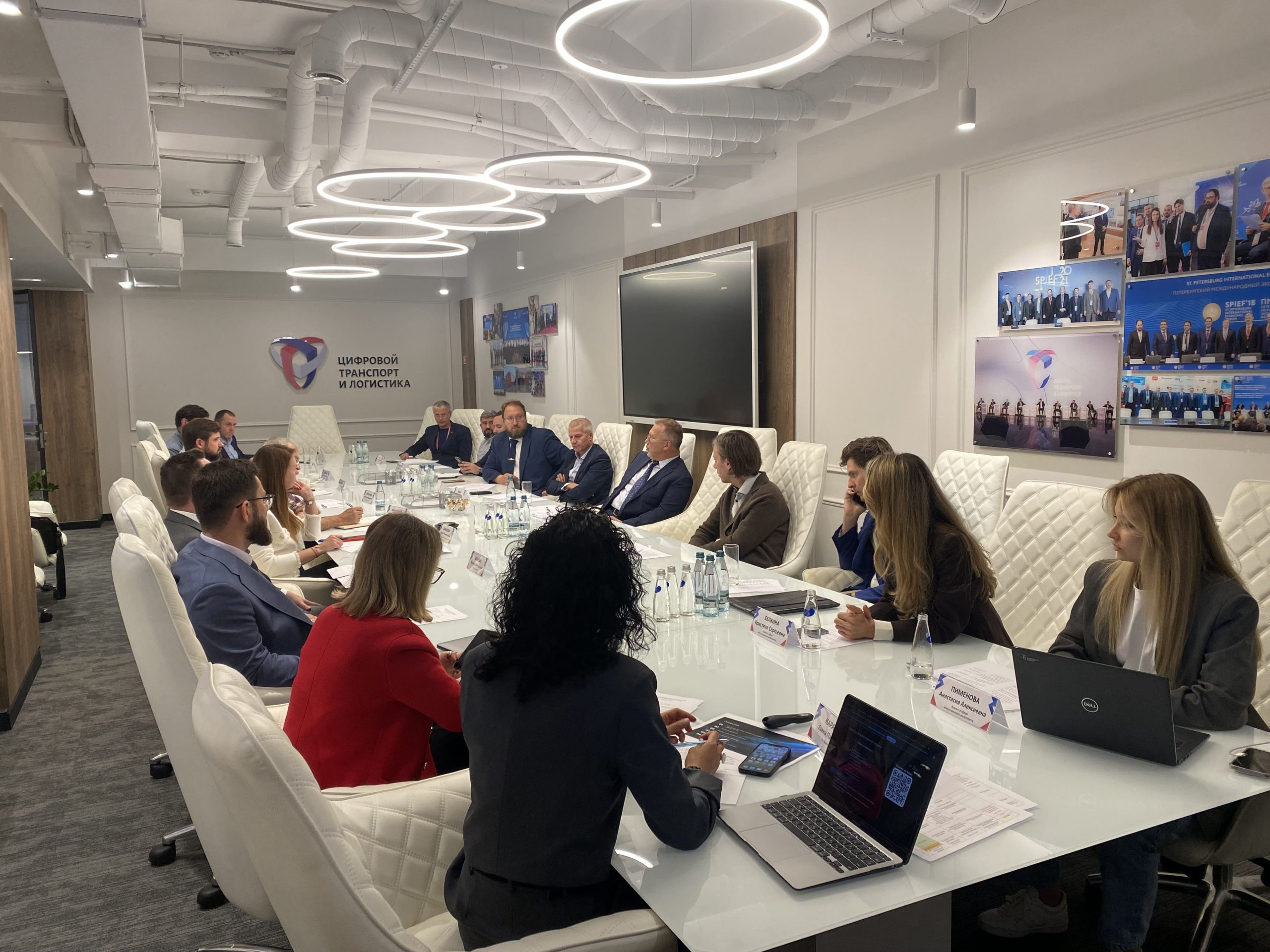
Key financial market players have joined the development and adoption of the methodology. The document was signed by Sber, T-Bank, Alfa-Bank, Rosselkhozbank, Gazprombank, Moscow Exchange, VSK, Dom.RF, MKB, VEB RF, and Kapital Life Insurance.
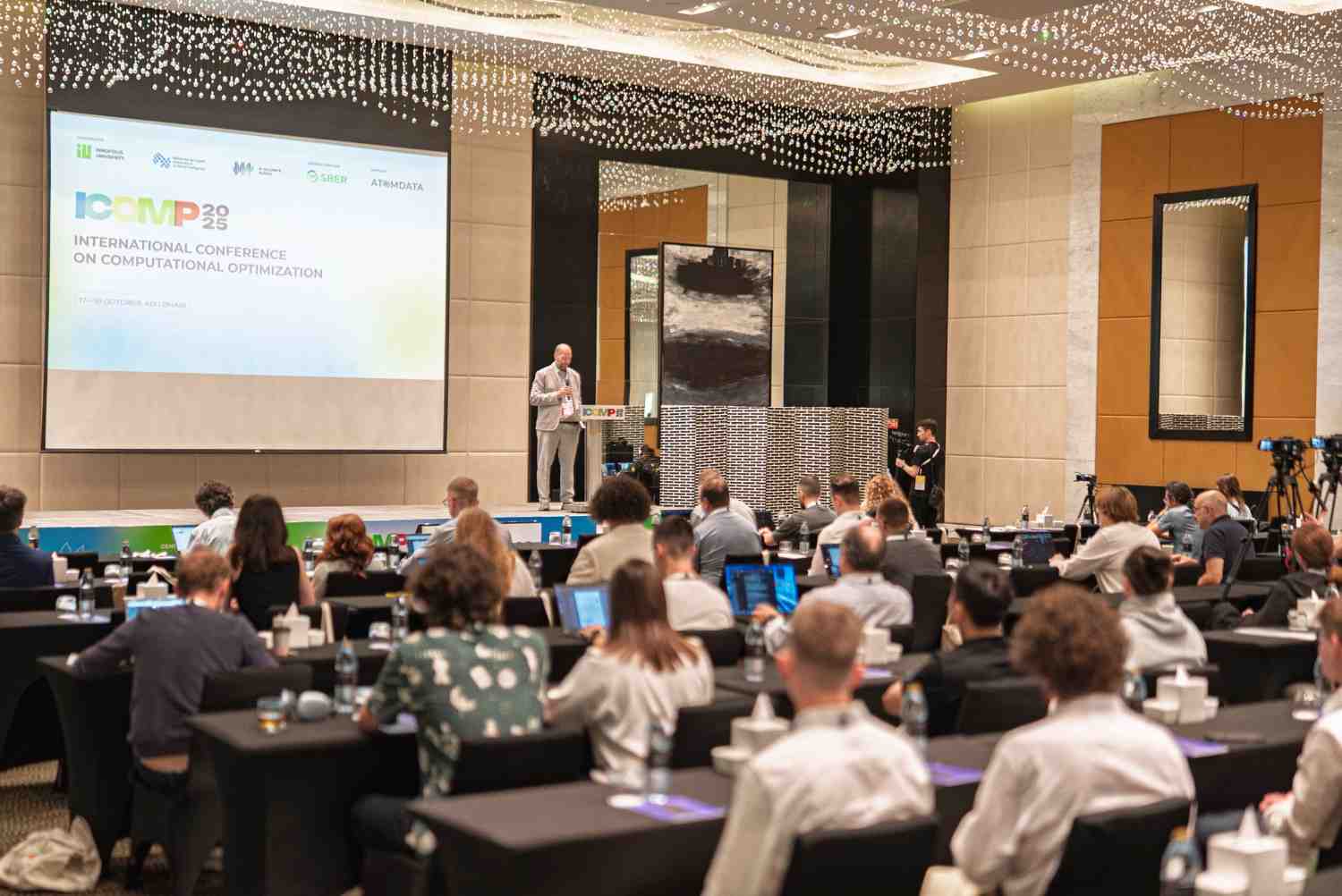
The session was organized by the International AI Alliance Network. The Strategic Agency for Support and Development of AI Research (SAPFIR) provided methodological support for the research project. The session was held in two stages: during the first stage, experts presented papers on their research areas. The second stage of the foresight session was devoted to a scientific discussion, during which over 20 AI experts shared their views on the horizons and trajectories of future AI development, including forecasting the emergence of advanced general intelligence (AGI).

The new system of personal accounts for universities has stimulated dialogue with businesses. We note the high level of engagement among participants – educational institutions are actively interested in opportunities to advance in the rating
In his welcome address, Russian Minister of Science and Higher Education Valery Falkov noted: "Today, the entire world stands on the threshold of monumental changes, and artificial intelligence will become one of the key phenomena of the future technological paradigm. Therefore, Russian universities must train a large number of qualified personnel with the relevant knowledge, skills, and abilities. A rethinking of the very foundations of university education—its goals, values, and role in society—is required. Universities must be prepared to redesign their management and organizational practices, regulatory frameworks, and ethical frameworks."
Leading AI researchers from around the world will unite for an international foresight session—a series of events on artificial intelligence (AI) research aimed at identifying priority areas for AI and its future development prospects

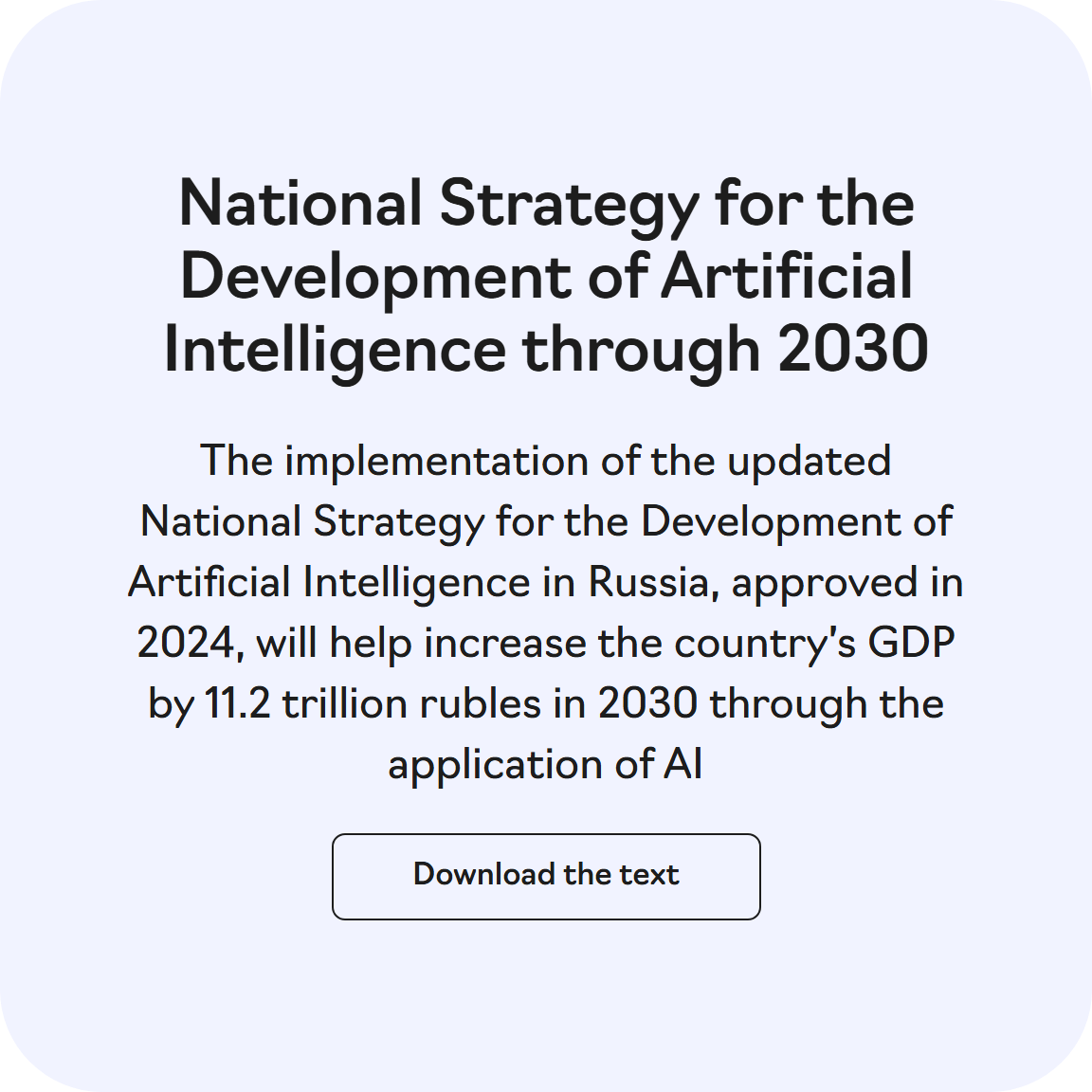
Valeria has over 18 years of experience developing economics and finance at the regional and federal levels. Since 2022, she has headed the Department of Strategic Development and Innovation at the Ministry of Economic Development of Russia, where she oversaw the development of the National AI Development Strategy and the implementation of the federal project "Artificial Intelligence."
The AI Alliance opened its database of scientific publications on AI to users during the AI Journey conference's scientific day. This open platform collects information about articles by Russian authors published at leading global scientific conferences at A*, A, and other levels, as well as in indexed journals from Q1 to Q4

The official signing ceremony for the Guidelines for General-Purpose Robotics took place on December 12. The first signatories were the Alpha Robotics Venture Fund, the Sber Robotics Center, the AIRI Institute, the Central Research and Development Institute of Robotics and Engineering Cybernetics (CRDI RTK), the National Association of Robotics Market Participants (NAURR), and the Android Technology Research and Production Association.
The White Paper is a detailed and carefully structured overview of pressing ethical issues arising in the implementation of artificial intelligence. It focuses on more than 40 questions covering a wide range of topics: from data privacy and autonomous decision-making to the creation of digital simulations and accountability for the use of AI. The authors offer readers an in-depth analysis of modern AI technologies and explore the moral and social aspects of their development.

MERA (Multimodal Evaluation for Russian -language Architectures) is the largest independent open benchmark for evaluating foundational Russian-language models, jointly developed on the AI Alliance platform by industry researchers—teams from Sber and MTS AI—as well as academic partners Skoltech AI and the National Research University Higher School of Economics (HSE).

The AI Alliance has officially announced the establishment of a platform that fosters collaboration between businesses and universities. This platform aims to introduce innovative approaches to education in the field of artificial intelligence and address the pressing issue of staff shortages
Representatives from Alliance companies and prominent Russian universities discussed the methodology and key criteria for evaluating universities. The rating was initially presented at the AI Journey conference in November, supported as an essential tool for assessing the effectiveness of AI education by Russian President Vladimir Putin.
Standardizing and centralizing datasets will enable the creation of a unified library containing reference metrics and benchmarks for machine learning (ML) models. This consolidated data will simplify the implementation of AI and enhance companies' ability to predict the outcomes of ML solutions more objectively, ultimately accelerating technological advancements
A number of tech companies and organizations have adopted The Code of Ethics in the field of Artificial Intelligence, developed by the Alliance in the field of Artificial Intelligence. The official ceremony where new members have joined the Code was held on Wednesday, November 10th during a major Russian conference AI Journey, organized by Sber. The code was adopted by Visionlabs, Nanosemantics, Cognitive Pilot, VEB Ventures, Speech Technology Center, Atlansys Software, ANO “Dialog”, Bauman MSTU.
The Code of Ethics in the field of Artificial Intelligence was opened for accession on October 26th. The document was first signed by the members of the Alliance (Yandex, MTS, VK, Sber, Gazprom Neft and the Russian Direct Investment Fund) and leading companies and research organizations. Afterwards a number of AI market players have submitted to the Alliance their declarations of adopting the Code and therefore committed to its standards and requirements. About 30 companies and organizations have joined the Code so far.
The Code of Ethics proclaims human-oriented and humanistic approach to the development of AI technology, principles of non-discrimination, data security and information security, identification of AI in communication with humans and respect for the autonomy of the human will, responsibility for the consequences of the use of AI. Adherence to the code of ethics will become a key element of the social responsibility for companies developing and implementing AI technology in Russia
The Code of ethics is intended to become a recommendation document on ethics for all participants in the AI market: government, business, Russian and foreign developers. The Code establishes general ethical principles and standards of conduct that can guide players in the field of artificial intelligence.
As a tool for implementing the above-mentioned principles and provisions, the Code provides for the creation of an AI ethics commission, appointment of ethics commissioners, as well as the possibility of creating collegial industry ethics bodies. The Alliance will also develop methodological recommendations and a set of best practices for solving emerging ethical issues in the life cycle of AI.
Alliance in the sphere of AI was founded by the leading Russian tech companies in order to collectively develop their expertise and advance the implementation of AI technology in education, science and business operations. Yandex, SBER, VK, Gazprom Neft, MTS and RDIF are the six members of the Alliance. Its mission is to be the center of AI development in Russia and ensure leadership of Russia and the members of the Alliance in the global tech market.

The Code of Ethics in the field of Artificial Intelligence, developed by the Alliance in the field of Artificial Intelligence, was adopted on Tuesday, October 26. The document was signed by the members of the Alliance (Yandex, MTS, VK, Sber, Gazprom Neft and the Russian Direct Investment Fund) and leading companies and research organizations.
The document was signed at the International Forum «Ethics of Artificial Intelligence: the beginning of trust», attended by First Deputy Chief of Staff of the Presidential Administration of Russia Sergey Kiriyenko and Deputy Prime Minister Dmitry Chernyshenko.
The Code of Ethics proclaims human-oriented and humanistic approach to the development of AI technology, principles of non-discrimination, data security and information security, identification of AI in communication with humans and respect for the autonomy of the human will, responsibility for the consequences of the use of AI. Adherence to the code of ethics will become a key element of the social responsibility for companies developing and implementing AI technology in Russia.
The Code of ethics is intended to become a recommendation document on ethics for all participants in the AI market: government, business, Russian and foreign developers. The Code establishes general ethical principles and standards of conduct that can guide players in the field of artificial intelligence.
As a tool for implementing the above-mentioned principles and provisions, the Code provides for the creation of an AI ethics commission, appointment of ethics commissioners, as well as the possibility of creating collegial industry ethics bodies. The Alliance will also develop methodological recommendations and a set of best practices for solving emerging ethical issues in the life cycle of AI.
Alexander Vedyakhin, First Deputy Chairman, Sberbank:
“The AI technology is widely considered controversial: on the one hand, AI is key to evolution, on the other hand, it has a certain level of independence in decision-making and it is not always obvious how exactly those decisions are made. This is why today we all have a common mission: to build trust in the AI technology. And that is impossible to accomplish without establishing rules for ethical use of this technology. I’m confident that the Code we signed today, to which Sberbank had considerably contributed, will mark an important step in gaining more trust for AI within the Russian society and as a result – in expanding the country’s AI industry”.
Vyacheslav Nikolaev, CEO, MTS:
“AI technology will soon lead us to new breakthroughs in the digitalization of healthcare and education — not to mention nearly every aspect of daily life. In addition, it’s already clear today that AI is a technology that is raising considerable social concerns. That makes now the right time to outline the guiding principles that will help ensure AI technology will be used for the benefit of society. At MTS, we have always prioritized ethics in product development, including AI technology, and we are happy to share our expertise in establishing the Russian Code of Ethics for Artificial Intelligence”
Anatoly Braverman, First Deputy CEO, Russian Direct Investment Fund:
“The formation and further development of the AI technology market requires effective cooperation of all of its players. Joint drafting, adoption and further use of the Code of Ethics are important benchmarks needed to put in place key infrastructure and help AI engineers, users and investors achieve success. The Russian Direct Investment Fund along with its co-investors and portfolio companies has traditionally given high priority to ethics and reputation and stands ready to actively share experience and borrow leading know-how and best practices”.
The Code of Ethics was developed with the support of the Presidential Administration of the Russian Federation, the Analytical Center for the Government, the Ministry of Economic Development and underwent a series of expert and public discussions at ANO «Digital Economy», the Federation Council, the Civic Chamber of the Russian Federation.
The full text of the Code of Ethics is available at http://a-ai.ru/code-of-ethics/

17 projects qualified for the final of the AI Russia Awards. In each of the main categories, the jury selected three most effective cases of business applications of artificial intelligence technologies. Five projects are shortlisted in the category "Significant Social Impact". The winners will be announced on June, 25 at the award ceremony.
More than 120 Russian AI implementation projects with proven economic efficiency applied for the AI Russia Awards. The Award was established by the Alliance for the development of artificial intelligence. The projects are published in the AI Russia Works library. The expert jury selected the finalists in four main business categories.
Shortlist in the category "Revenue Growth":
- a system for analyzing and predicting electricity consumption developed by PREDICT, Mail.ru Group. It allowed an electric company Rosseti Center to increase the indicator of determining commercial losses by 2.2 times;
- Dasha.AI. This calling service helped the company Alfa Strakhovanie to increase the number of renewals of third party liability insurance policies by 1.5 times;
- ML - HeadHunter's own solution for the selection of relevant job offers. It made possible to increase sales of job publications on hh.ru by 39.7% during one year.
Shortlist in the category "Cost reduction " includes cases from the field of agriculture, finance and industry:
- Cognitive Agro Pilot, the system of autonomous agricultural facilities management. It helped the agriculture enterprise "Pobeda" to reduce direct crop losses and fuel costs;
- the voice robot "Oleg" by Tinkoff. It saves 33 million rubles monthly for the bank by automating its call center;
- "Monitoring-Predictive", the system of predictive diagnostics of electric motors. It allowed "Magnitogorsk Iron and Steel Works" to avoid long downtime of equipment and reduce costs.
Shortlist in the category "Productivity Growth":
- mobile app "Thermal Points", a map of all fires in the country with the function of notifying the authorities responsible for extinguishing. EMERCOM of Russia developed this app on the basis of an ML model selected at the WILDFIRE AI hackathon organized by Sberbank;
- an automated system that predicts the efficiency of acid treatment of wells and reduces the share of manual labor of specialists by 20%. It was developed by the team of Gazprom Neft;
- - the voice robot "Oleg" by Tinkoff. It receives 80% of incoming calls from customers and closes 10% of requests on its own.
Shortlist in the category "Quality Improvement" includes cases from the field of medicine and finance:
- "Celsus", a system for the analysis of medical images in radiology. It helped the Tambov Regional Oncological Clinical Dispensary to increase the number of cases of early diagnosis of breast cancer by 10%;
- Botkin.AI, a platform for CT image analysis. It allowed the Medical Information and Analytical Center of the Yamal-Nenets Autonomous District to increase the detection of lung cancer by 45%;
In the category "Significant Social Impact", the winners have been selected in the online voting which finished on May, 30. There are five projects:
- technology for sorting photos from drones "Beeline AI" - Search for people". It helps the volunteers of "Lisa Alert» to find the missing people;
- mobile app "Thermal Points" of the EMERCOM of Russia. It speeds up the response to wildfires;
- Botkin.AI, a platform for CT image analysis in the Medical Information and Analytical Center of the Yamal-Nenets Autonomous District;
- a technology of neural network-based hand gesture classification for highly functional prosthetics;
- "Robin", an assistive device for people with visual impairments. Without an Internet connection, it helps to recognize objects and people.
Another open voting on the award's website was selecting the finalist in the second special category "Popularizer of AI technologies". This is an award for personal contribution to the promotion of AI.
The winners in each category will be announced on June 25 at 18: 30 at the first awarding ceremony of AI Russia Awards. The online broadcast will be available on the website https://ai-russia.ru/awards
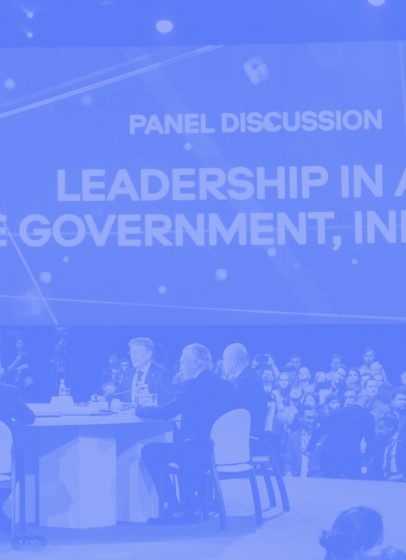
Six companies-Yandex, SBER, Mail.ru the Group, Gazprom Neft, MTS and RDIF have joined together to form the Alliance for the development of artificial intelligence. Among the tasks of the Association, for example, assistance with the creation of regulatory documents, support for education, and creation of personnel reserves in this area. More information about how the participants are going to change the IT sphere in Russia, the head of the Alliance Kirill Bulatov told TASS. About a year ago, CEOs realized that they had reached the point where development depends on how fast everything is moving around — how quickly laws are passed to help launch products, how widely technologies are being implemented in the public sector and business. The main prerequisite for the emergence of the Alliance was to combine interests for solving business problems of participants in the first place in the following areas: education, regulatory regulation, communication between market participants, implementation practices and attracting investment, General directions in the field of data analysis. Based on this, the principles of work are built, in which it is said that we do not attract funds from the state. The Association's budget consists of the money of the participating companies. We also focus on tasks that are more effective to solve together, while eliminating competition between members of the Alliance.
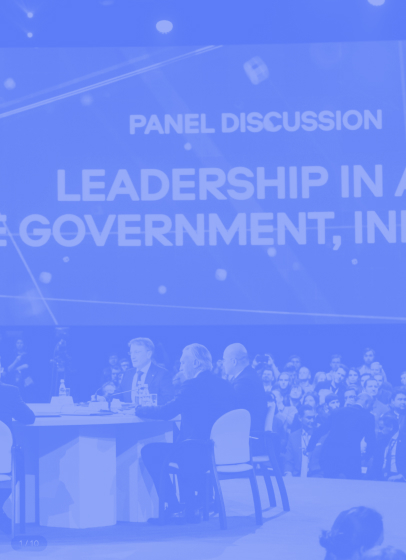
The Artificial Intelligence Journey (AI Journey) conference will be held on November 20-22, 2020. This is Russia's largest forum on artificial intelligence. AI Journey includes an online competition, a large-scale international conference and regional conferences in seven Russian cities, as well as the first AI Journey Junior conference for high school students interested in AI technologies. All events in the series will be held online. The AI Journey international online conference will have a three-day format with dedicated scientific, business and regional days. The AI for Good event will include key topics like the latest developments in machine learning and data analysis, along with many others. AI Journey is a major platform for exchanging the latest information about artificial intelligence and its application in Russia and abroad. In 2019, AI Journey made it into the top five global DS/AI conferences, with about 9,000 participants from all over the world and more than 150 leading industry experts as speakers. Register for AI Journey events at www.ai‑journey.ru
The Ministry of Economic Development has announced how law 258-FZ on “digital sandboxes” will work. It simplifies the rules for organizations that conduct experiments in AI and related areas. Each company can design their own specific implementation, but the plan will need to be approved by governement agencies and market participants.